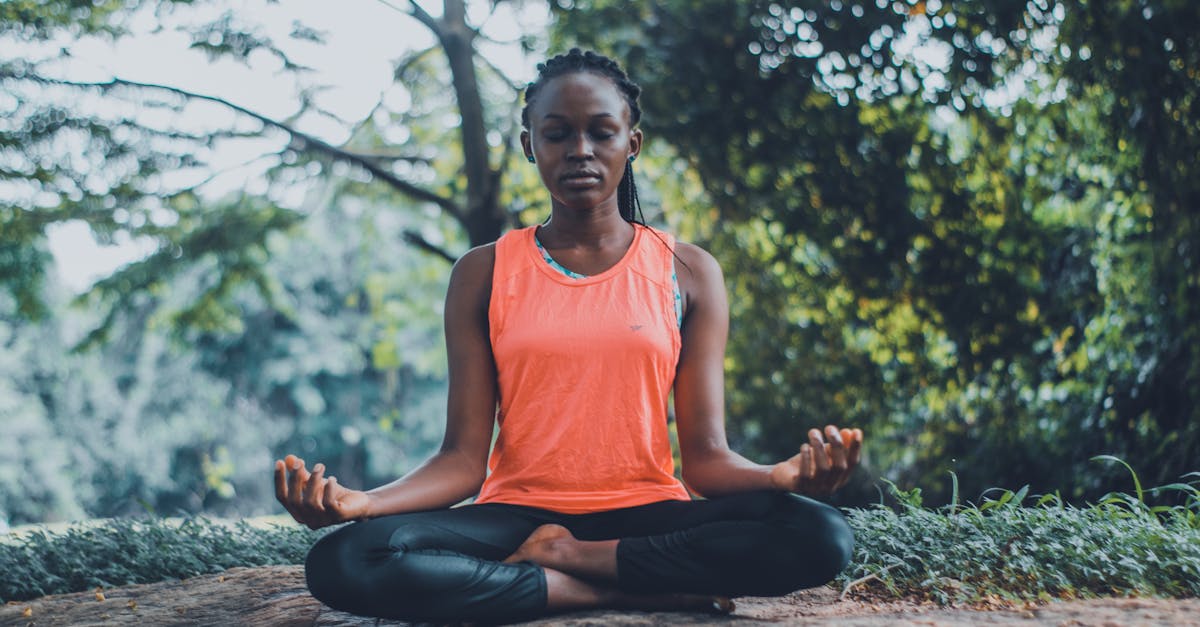
Discover why traditional meditation advice often fails, and learn practical, actionable strategies for building a sustainable, effective practice.
You’ve probably been there: full of good intentions, you download a meditation app, find a quiet corner, and try to clear your mind. For a few days, maybe even a week, you stick with it. Then life happens. Your mind races, you feel restless, or you just can’t seem to find the ‘peace’ everyone talks about. Before you know it, your meditation cushion gathers dust, and the app goes unused. The cycle repeats every few months when a new wave of stress hits, leaving you feeling like you’re just not ‘good’ at meditation.
This isn’t a reflection of your ability; it’s often a flaw in how meditation is presented and practiced by most. The biggest misconception? That meditation is about stopping your thoughts or achieving a state of blissful emptiness. This expectation sets people up for failure, leading to frustration and ultimately, quitting. In my experience working with hundreds of individuals trying to integrate mindful practices into their lives, the core issue isn’t a lack of desire, but a lack of understanding about what meditation truly is and how to approach it realistically.
The truth is, lasting calm and focus don’t come from forcing your mind into silence. They emerge from a consistent, compassionate practice that acknowledges the nature of your mind rather than fighting it. What changed everything for my patients – and for me personally – was shifting the focus from ‘stopping thoughts’ to ‘observing thoughts’ and integrating short, intentional moments of mindfulness throughout the day, rather than just one formal session. It’s about building mental resilience and self-awareness, not performing a spiritual feat.
Key Takeaways
- Most people quit meditation because they misunderstand its purpose, expecting to instantly clear their mind.
- Sustainable practice involves shifting from trying to stop thoughts to simply observing them without judgment.
- Integrating ‘micro-meditations’ into daily activities builds consistency and mental resilience more effectively than long, infrequent sessions.
- The real goal of meditation is cultivating awareness and a compassionate relationship with your inner experience, not achieving a blissful state.
The Myth of the Empty Mind: Why Fighting Your Thoughts is a Losing Battle
When people start meditation, the first instruction they often hear is to ‘clear their mind.’ This is the single biggest reason for failure. Imagine trying to stop your heart from beating just by wishing it to. Your mind, like your heart, is designed to be active. It generates thoughts, feelings, and sensations constantly. Expecting it to simply ‘turn off’ is not only unrealistic, but it creates immense internal resistance. When new practitioners find their mind is still buzzing, they interpret this as a failure. They think, ‘I’m doing it wrong,’ or ‘I’m not cut out for this,’ and that frustration leads to quitting.
In my practice, I explain that the mind isn’t a blank canvas; it’s a dynamic, ever-changing landscape. The goal isn’t to stop the thoughts, but to change your relationship with them. Instead of being swept away by every thought, you learn to observe them, like watching clouds drift across the sky. Some clouds are dark and stormy, others light and fluffy, but they all pass. This shift – from engagement to observation – is profound. It’s the difference between being caught in a rip current and standing safely on the shore, watching the waves. When you stop fighting your thoughts, their power over you diminishes. This reframe makes meditation accessible and less intimidating. The mistake I see most often is people treating meditation as a mental wrestling match they constantly lose, when it should be more like a patient observation.
The Trap of the ‘Perfect’ Setup: Why Formal Sessions Alone Often Fail
Many meditation guides emphasize creating a dedicated space, sitting in a specific posture, and committing to 20-30 minutes daily. While these elements can be helpful for advanced practitioners, they become a significant barrier for beginners. Life is messy. Finding 30 uninterrupted minutes every single day, especially for someone juggling work, family, and other commitments, is often an unrealistic expectation. When a busy parent or a professional with an unpredictable schedule misses a session, they feel guilty. This guilt erodes motivation and makes it easier to abandon the practice altogether.
What changed everything for me and my patients was shifting from an ‘all or nothing’ approach to an ‘all-the-time’ approach. Instead of focusing solely on formal, lengthy sessions, we started integrating ‘micro-meditations’ throughout the day. This could be 60 seconds of mindful breathing while waiting for coffee to brew, 3 minutes of body scan during a lunch break, or 5 minutes of focused listening during a walk. These small, consistent doses of mindfulness are like mental push-ups. They build your capacity for awareness incrementally, without the pressure of a ‘perfect’ setup. A single minute of mindful dishwashing, fully present with the warmth of the water and the feel of the soap, is infinitely more beneficial than abandoning meditation entirely because you couldn’t find a silent, cushion-ready hour.
Beyond Bliss: Redefining Success from Serenity to Awareness
Another common reason for quitting is the expectation of immediate, profound bliss or deep relaxation. Popular media often portrays meditation as an instant shortcut to serenity, a magical state where all worries vanish. When beginners sit down, and instead feel restlessness, boredom, or even heightened anxiety, they conclude that meditation isn’t ‘working’ for them. They’re searching for a specific emotional outcome rather than cultivating a skill.
The real success in meditation isn’t measured by how relaxed you feel in a given session, but by your growing awareness. It’s about noticing your thoughts without getting entangled, acknowledging your emotions without judgment, and becoming more present in your daily life. It’s about realizing, ‘Oh, I’m feeling stressed about that deadline,’ rather than just being stressed. This subtle shift in perspective—from being consumed by an experience to observing it—is where the true power lies. For instance, a patient once told me they hated meditation because it made them more aware of their anxiety. I explained that this wasn’t a failure; it was progress. They were finally noticing something that had been unconsciously driving them for years. That awareness is the first step towards managing it.
The Power of the Pause: Making Mindfulness Accessible in Real Life
The most impactful shift for developing a sustainable meditation practice is to weave it into the fabric of your daily life, rather than compartmentalizing it as a separate ‘activity.’ This involves cultivating the ‘power of the pause’ – intentionally inserting brief moments of mindful awareness into routine actions. This is often where the concept of ‘mindful living’ truly begins to take root and makes meditation a practical tool for everyday well-being, not just a retreat practice.
Instead of aiming for 30 minutes on a cushion, aim for 30 moments throughout your day. For example, before opening an email, take one deep breath and notice your posture. When you’re transitioning between tasks, pause for 15 seconds to simply listen to the sounds around you. Before responding to a challenging conversation, take a deliberate breath. These aren’t just ‘breaks’; they are active training sessions for your brain. Each pause strengthens your neural pathways for presence and awareness, making it easier to return to a state of calm when stress arises. This approach makes meditation incredibly practical and integrates it as a resource available to you at any moment, rather than something you have to carve out time for. It’s about living with presence, not just practicing it.
Compassion Over Criticism: Your Secret Weapon for Consistency
Let’s face it: there will be days when you forget, days when your mind feels like a chaotic circus, and days when you simply don’t want to meditate. The natural human tendency is to respond with self-criticism: ‘I missed my session again,’ ‘I’m so inconsistent,’ ‘I’m a failure.’ This negative self-talk is a huge demotivator and often leads to abandoning the practice entirely. It reinforces the idea that you’re not ‘good enough’ at meditation, which is the exact opposite of what the practice aims to cultivate.
The most powerful tool for long-term consistency in meditation is self-compassion. Instead of beating yourself up for missing a day or having a restless session, acknowledge it without judgment. Say to yourself, ‘Okay, today was tough. I’ll try again tomorrow.’ Or, ‘My mind was very active today, and that’s okay. I still showed up.’ Treat your meditation practice like you would a friendship: with kindness, understanding, and forgiveness. If you fall off the wagon, gently guide yourself back on, rather than condemning yourself. This gentle approach transforms meditation from a performance into a process of self-discovery and kindness, making it far more enjoyable and sustainable. Remember, consistency isn’t about perfection; it’s about showing up again and again, even after a stumble.
Frequently Asked Questions
Q: How long should I meditate each day to see benefits?
A: Forget the idea of a fixed minimum. For beginners, even 1-5 minutes of focused attention or mindful breathing daily can be profoundly beneficial. The key is consistency over duration. Small, frequent ‘micro-meditations’ integrated into your day are often more effective for building a lasting habit than infrequent long sessions.
Q: What if I can’t stop my thoughts during meditation?
A: This is the most common misconception. The goal of meditation isn’t to stop thoughts, but to change your relationship with them. Instead of fighting them, try simply observing them without judgment, like watching clouds float by. Acknowledge them, and gently return your focus to your anchor (like your breath) when you notice your mind has wandered.
Q: Is it okay to use a guided meditation app?
A: Absolutely! Guided meditation apps can be incredibly helpful, especially for beginners. They provide structure, instruction, and can make the practice feel less intimidating. Just be mindful not to become overly reliant on them; occasionally practicing without guidance can help build your internal capacity for awareness.
Q: I feel more restless or anxious when I try to meditate. What should I do?
A: This can happen, especially if you’re new to the practice. It’s often a sign that you’re becoming more aware of internal sensations you previously pushed away. Instead of seeing it as a failure, acknowledge the restlessness or anxiety with curiosity. You might try shorter sessions, focus on a physical anchor like your feet on the ground, or practice gentle movement meditation (like mindful walking) to start.
Q: How can I integrate meditation into my busy schedule?
A: Look for ‘pockets of pause’ in your day. This could be mindful breathing for 60 seconds while waiting for coffee, a 2-minute body scan before a meeting, or fully present listening during a commute. These ‘micro-meditations’ add up and train your brain for presence without requiring large blocks of time.
Q: What’s the biggest mistake people make when starting meditation?
A: Expecting instant results or a permanent state of bliss. Meditation is a practice, a skill you cultivate over time. It’s about building awareness, mental resilience, and self-compassion, not about achieving a specific feeling every time you sit down. Embrace the journey, not just the destination.
If you’ve ever felt like meditation wasn’t for you, I want you to reconsider. It’s not about becoming a Zen master overnight or silencing your inner chatter permanently. It’s about building a kinder, more aware relationship with your own mind, one gentle breath at a time. By letting go of rigid expectations and embracing small, consistent moments of mindful presence, you can transform your relationship with stress and cultivate a lasting sense of calm. The next time you feel overwhelmed, instead of trying to force a ‘perfect’ meditation, just pause. Take three conscious breaths. Notice what’s happening in your body and mind, without judgment. That simple act is meditation, and it’s a powerful first step towards a more peaceful life.


