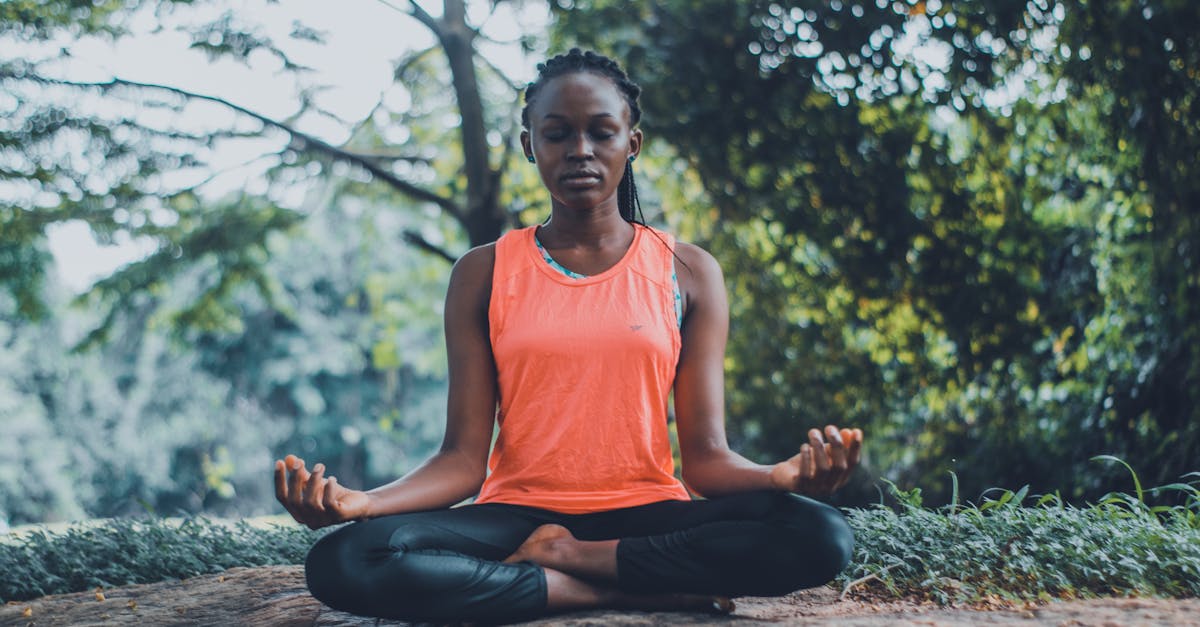
Discover why common fitness approaches fall short and learn actionable strategies to build a sustainable exercise habit that truly transforms your health.
You’ve probably been there: full of enthusiasm, you sign up for a gym membership, download a new fitness app, or commit to waking up early for a run. For a week, maybe two, you’re consistent. You feel great, proud of your discipline. Then, life happens. An unexpected deadline at work, a late night, a nagging sense of boredom, or simply the sheer effort required to get started each day starts to chip away at your resolve. Soon, those ambitious goals are collecting dust alongside your new workout clothes, and you’re back to square one, wondering why it’s so hard to stick with it.
I’ve witnessed this cycle countless times, both in myself and among friends and colleagues. The common wisdom tells us to “just be disciplined” or “find your motivation.” But in my experience, motivation is fleeting, and discipline, while important, isn’t enough to overcome fundamentally flawed approaches to fitness. The mistake I see most often is that people adopt fitness routines designed for elite athletes or social media influencers, not for real, busy lives. They chase intensity over consistency, outcome over process, and short-term gains over long-term well-being. What changed everything for me, and for many I’ve guided, was shifting the focus from what we do to how we integrate movement into a life we actually enjoy living.
Key Takeaways
- Ditch the all-or-nothing mindset; consistency trumps intensity for long-term fitness success.
- Integrate movement naturally into your daily life rather than treating exercise as a separate, dreaded chore.
- Prioritize enjoyment and experiment with different activities to find what genuinely energizes you.
- Focus on how movement makes you feel right now, not just on future aesthetic goals.
The All-or-Nothing Trap: Why ‘More’ Isn’t Always Better
The biggest pitfall in fitness, in my view, is the all-or-nothing mindset. We tell ourselves we need to hit the gym for an hour a day, five days a week, or it’s not worth doing. We see shredded physiques on Instagram and assume that’s the baseline for fitness, pushing ourselves to extremes that are unsustainable for the vast majority of people with jobs, families, and other commitments. This perfectionist approach creates an impossibly high bar, and the moment we miss a session, we feel like a failure, leading to a complete abandonment of the routine.
Think about it: if you set a goal to run 10 miles every day, and one day you only manage 2 miles, your internal monologue likely screams, “Well, that was a failure, might as well not have bothered!” This isn’t just about physical exertion; it’s about the mental burden. The pressure to always be “on” and perform at a peak level is exhausting. What actually works is embracing the power of small, consistent actions. A 15-minute walk around the block is infinitely better than skipping a planned hour-long gym session because you didn’t have the energy or time. In my own journey, moving from trying to crush intense workouts daily to simply committing to some form of movement, even if it was just 10 minutes, radically changed my consistency. The cumulative effect of these smaller, more manageable efforts far outweighs sporadic bursts of extreme intensity. It builds a habit that feels achievable, reducing the mental barrier to getting started each day.
The “Exercise as Punishment” Mentality: Finding Your Joy in Movement
Many of us view exercise as a necessary evil, a punishment for what we ate or a penance we must pay to achieve a certain look. This is a recipe for failure. If your fitness routine feels like a chore, something you dread and push through with gritted teeth, your intrinsic motivation will quickly evaporate. We inherently avoid things that make us feel bad or uncomfortable over the long term, especially when there’s no immediate, tangible reward.
The hidden cost here is a profound disconnection from your body’s natural inclination to move. Instead of listening to what feels good or energizing, we force ourselves into activities dictated by external metrics (calories burned, reps completed, miles run). What actually works is flipping this script and actively seeking joy in movement. This requires experimentation. Maybe you hate running, but love dancing. Perhaps the gym feels intimidating, but hiking in nature brings you peace. For me, giving up the idea that I had to lift weights to be strong opened up a world of martial arts and cycling, activities I genuinely looked forward to. The moment exercise becomes a source of pleasure or a way to de-stress, rather than a task on a to-do list, it transforms from a burden into a sustainable lifestyle component. Don’t be afraid to try five different things and stick with the one that lights you up, even if it’s not what everyone else is doing.
The Goal Paradox: Why Outcome-Focused Goals Undermine Your Progress
Most fitness resolutions are outcome-focused: “Lose 10 pounds,” “Run a marathon,” “Fit into smaller clothes.” While these goals can provide initial motivation, they are often too far in the future and too dependent on numerous variables to sustain consistent effort. When progress toward a distant outcome isn’t linear (and it rarely is), it’s incredibly easy to get discouraged. If the scale doesn’t move after a week, or your mile time plateaus, the underlying rationale for your effort seems to vanish.
In my experience, focusing solely on outcomes often leads to burnout and a sense of failure. What actually works is shifting your focus to process-based goals. Instead of “lose 10 pounds,” try “move my body for 30 minutes, 5 times a week.” Instead of “run a marathon,” aim for “run 3 times a week, gradually increasing distance by 10% each week.” These process goals are within your direct control, provide immediate gratification when completed, and build a strong sense of accomplishment. They also make the journey the reward, fostering consistency over chasing a finish line. The ironic truth is that by consistently adhering to a well-designed process, the desired outcomes often materialize naturally, almost as a side effect. For instance, when I stopped obsessing about my weight and simply focused on enjoying my daily bike rides and feeling strong, my body composition gradually changed without the mental anguish.
The Over-Reliance on Motivation: Building Systems, Not Just Willpower
We often fall into the trap of believing that sticking to a fitness routine is purely a matter of willpower and motivation. We wait for inspiration to strike, or for that burst of energy to propel us to the gym. The problem is, motivation is a fickle friend. It ebbs and flows with our mood, our sleep, and the stresses of daily life. Relying on it exclusively is like trying to power a car with wishes.
What actually works is building robust systems and making movement an inevitable part of your day, regardless of how you feel. This means reducing the friction to start and increasing the friction to quit. Simple strategies like laying out your workout clothes the night before, scheduling your workouts like non-negotiable appointments, or finding an accountability partner can make a huge difference. Consider environmental cues: keeping your running shoes by the door, having a small set of weights visible in your living room, or choosing a walking path for your commute. The more you automate the decision-making process, the less you have to rely on dwindling willpower. For me, making my morning walk the very first thing I do, before even checking my phone, has made it a non-negotiable part of my day. It’s not about being motivated to walk; it’s just what I do at 6 AM. This systematic approach frees up mental energy and ensures consistency, even on days when I’d rather hit the snooze button.
Ignoring Recovery and Progressive Overload: The Recipe for Stagnation or Injury
Many fitness routines fail because they either push too hard without adequate recovery or become monotonous without progressive challenge. On one hand, people jump into high-intensity training without understanding their body’s limits, leading to injuries, burnout, and demotivation. On the other hand, some stick to the same routine for months or years without increasing intensity, duration, or complexity, leading to plateaus and boredom. Both scenarios are detrimental to long-term adherence.
In my experience, understanding the balance between challenge and recovery is critical. What actually works is a mindful approach to progressive overload coupled with dedicated rest. This means gradually increasing the demands on your body over time – lifting slightly heavier weights, adding more repetitions, extending your workout duration, or trying a more challenging variation of an exercise. But equally important is integrating proper rest, sleep, and active recovery (like stretching or gentle walks) into your schedule. Listen to your body: some days you need to push, other days you need to recover. Ignoring this balance leads to either injury or a frustrating lack of progress. When I realized that my body needed just as much time to recover as it did to exert, my overall fitness improved significantly, and I avoided the cycles of injury that used to sideline me.
Frequently Asked Questions
Q: How do I get started if I haven’t exercised in a long time?
A: Start incredibly small. Don’t aim for an hour; aim for 5-10 minutes of walking, stretching, or light bodyweight exercises daily. The goal is to build consistency and make movement feel accessible, not to achieve peak performance immediately. Gradually increase duration or intensity by a small amount each week.
Q: What if I hate all traditional forms of exercise?
A: Expand your definition of exercise! Think outside the gym. Try dancing, gardening, brisk walking with a friend, cycling, hiking, martial arts, rock climbing, swimming, or even active video games. The key is to find something that brings you genuine enjoyment and doesn’t feel like a chore.
Q: How do I stay motivated when I feel like quitting?
A: Shift your focus from external motivation to internal feelings. Instead of relying on willpower, lean on your established systems (e.g., pre-packed gym bag, scheduled time slot). Also, remind yourself of how you feel after a workout – the increased energy, reduced stress, and sense of accomplishment – rather than focusing on the discomfort of starting.
Q: Is it okay to take a day off, or will I lose my progress?
A: Absolutely! Rest days are crucial for muscle recovery, preventing burnout, and allowing your body to adapt and grow stronger. In fact, consistently pushing without rest can lead to injury and hinder progress. Aim for 1-2 full rest days per week, or incorporate active recovery activities like gentle yoga or walking.
Q: How long does it take to see results and feel a difference?
A: You can start to feel a difference (increased energy, better sleep, improved mood) within a couple of weeks of consistent movement. Visible physical changes often take 4-8 weeks or longer, depending on your starting point and consistency. The most important thing is to focus on the long-term journey and celebrate small victories along the way, rather than fixating on immediate drastic changes.
Q: What’s the best time of day to work out?
A: The best time is simply the time you will consistently stick to. For some, it’s first thing in the morning before distractions arise. For others, it’s a midday break or after work to de-stress. Experiment to find a slot that fits naturally into your routine and allows for consistency without feeling rushed or forced.
Conclusion
Building a lasting fitness routine isn’t about crushing yourself in the gym or adhering to some rigid, joyless regimen. It’s about understanding human psychology, building sustainable systems, and reconnecting with the innate pleasure of movement. By ditching the all-or-nothing mindset, finding activities you genuinely enjoy, focusing on consistent process over fleeting outcomes, and prioritizing systems over sheer willpower, you can transform your relationship with exercise. Stop viewing fitness as a punishment and start seeing it as an act of self-care, a vital component of a life well-lived. Your next step: pick one small, enjoyable movement activity you can commit to for just 10 minutes tomorrow, and make it happen.